Iceland's prices are real (a casual dinner can read like a ransom note) — but the expensive layer is precisely the optional one: restaurants, bars, and branded experiences. The country's actual product — landscape, light, hot water — runs free or near it, and locals live affordably by systems visitors can simply copy. The playbook:
The hot-water economy. The municipal pools are the headline: the full geothermal experience — hot pots, steam, slides, the national social scene — for the price of a coffee, versus the lagoons' fifty-fold markup (do one lagoon as the splurge; do the pools as the routine). Laugardalslaug, Vesturbæjarlaug, and downtown's deco Sundhöllin lead the capital's 18; the shower etiquette is the only tax.
The eating system. The famous hot dog (Bæjarins Beztu, "one with everything") remains the national meal deal; bakeries carry breakfast and lunch (cardamom buns, the soup-in-bread-bowl counters); grocery chains (Bónus's pig logo, Krónan) stock picnic and apartment-stay provisioning at Europe-normal prices; the food halls (Hlemmur, Grandi's Pósthús) run quality mid-range; and tap water — glacially excellent — is the national beverage; ordering bottled marks the tourist. Restaurant strategy: lunch menus over dinner pricing, the lamb-soup counters over the tasting rooms, and one deliberate splurge where it counts rather than nightly attrition.
Happy-hour literacy. Full-price Icelandic drinking is a wealth transfer; the city's extensive happy hours (typically 4-7pm, half-ish pricing) are the system — the Appy Hour app maps them live, and the local rhythm (pre-gaming at home or the pool, bars late) explains the 1am queues. Craft-curious budgets hit the happy hours; others embrace the grocery store's limits (beer above 2.25% sells only at the state Vínbúðin shops — plan accordingly).
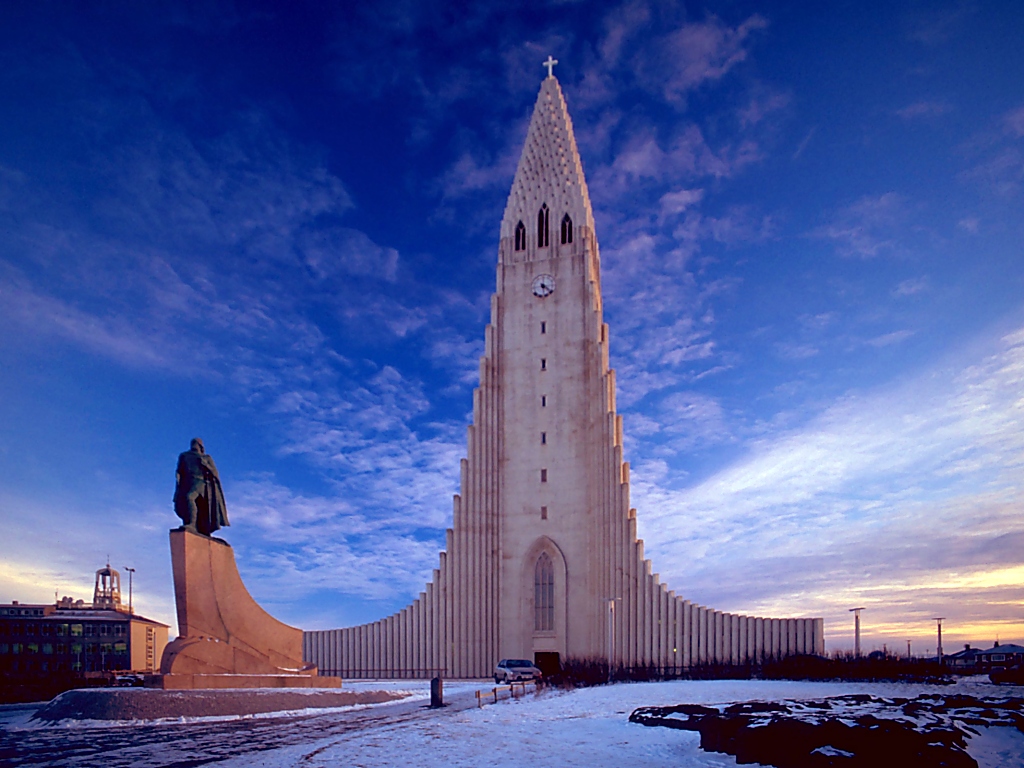
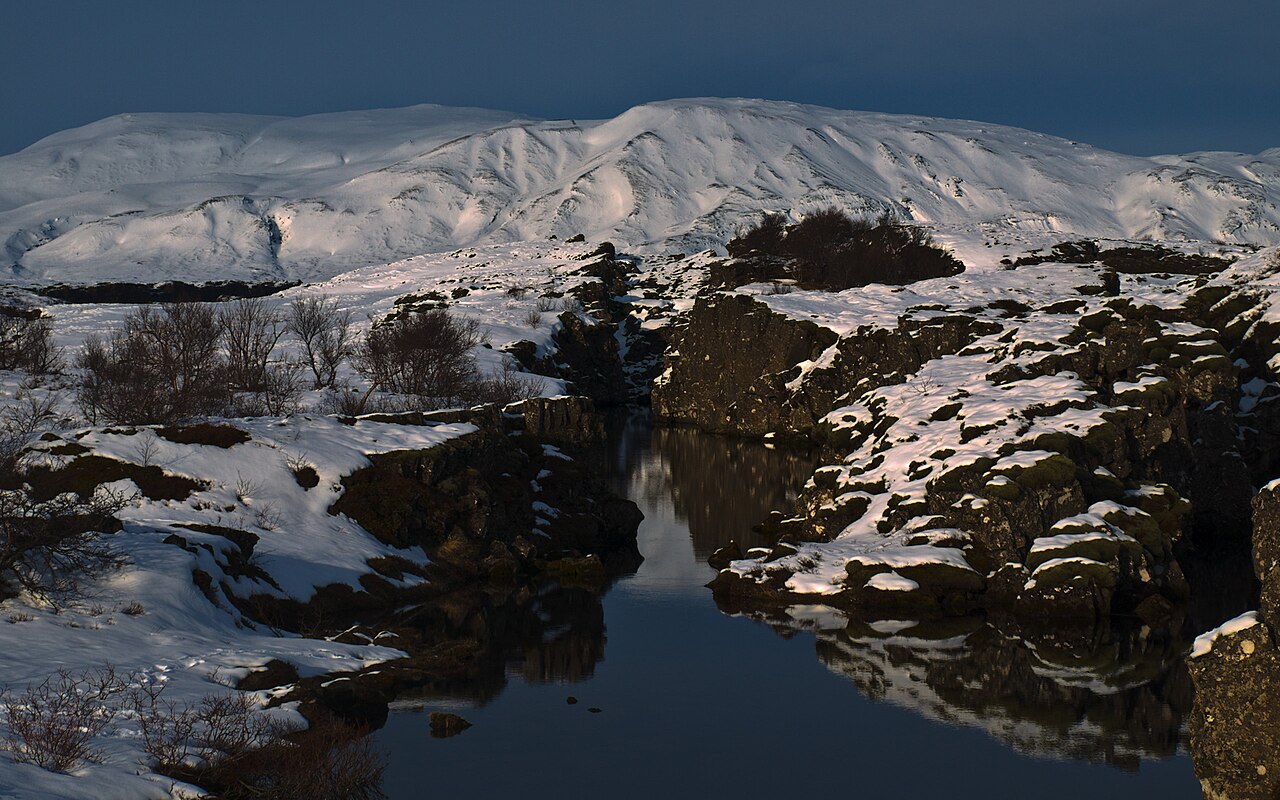
Free nature's ledger. The city: Hallgrimskirkja's facade (tower fee optional), Harpa's halls, the Sun Voyager shoreline, Grótta's lighthouse sunsets, Öskjuhlíð's forest, every street of the old town. The ring: Thingvellir, Geysir, Gullfoss, both south-coast waterfalls, Reynisfjara, and essentially every natural wonder — parking fees aside, Iceland's landscape refuses admission charges. Aurora: free by definition with a bus ticket to darkness (Grótta on strong nights) or a rental-car cloud chase. The expensive country's secret is that its headline attractions cost nothing.
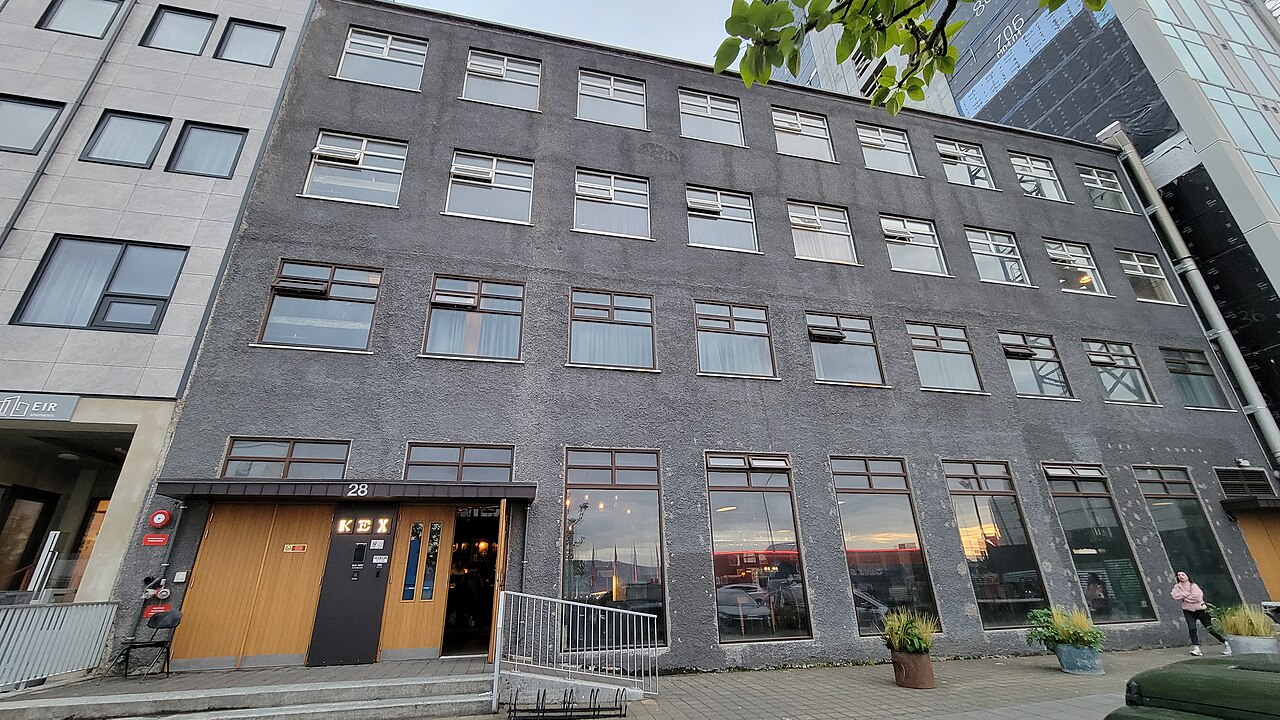
Sleeping and moving. Kex-tier design hostels and the guesthouse layer hold beds under the hotel floor (shared-bath privates are the value sweet spot); apartment stays weaponize the grocery strategy; campervans in summer merge bed and wheels. Transit: the airport coach beats taxis by an order of magnitude; the city walks; Strætó buses cover the stragglers; and rental-car day-splits (one or two driving days, not blanket weeks) match spend to need. Card-only commerce means no currency-exchange skim — Iceland runs tap-to-pay to the hot-dog stand.
Where the money belongs. Ranked: one lagoon evening (Sky's ritual or Blue's icon); one guided adventure matched to taste (Silfra, glacier walk, or the aurora hunt with its rebooking insurance); the food walk early (it repays itself in avoided mistakes); and the rental car on the days geography demands it. Skip-able: bottled water forever, full-price cocktails, the souvenir puffin-industrial complex, and any tour replicating what the municipal bus and your legs reach free. A week built this way runs genuinely moderate — in the world's most expensive-looking country, which is the trick worth learning.