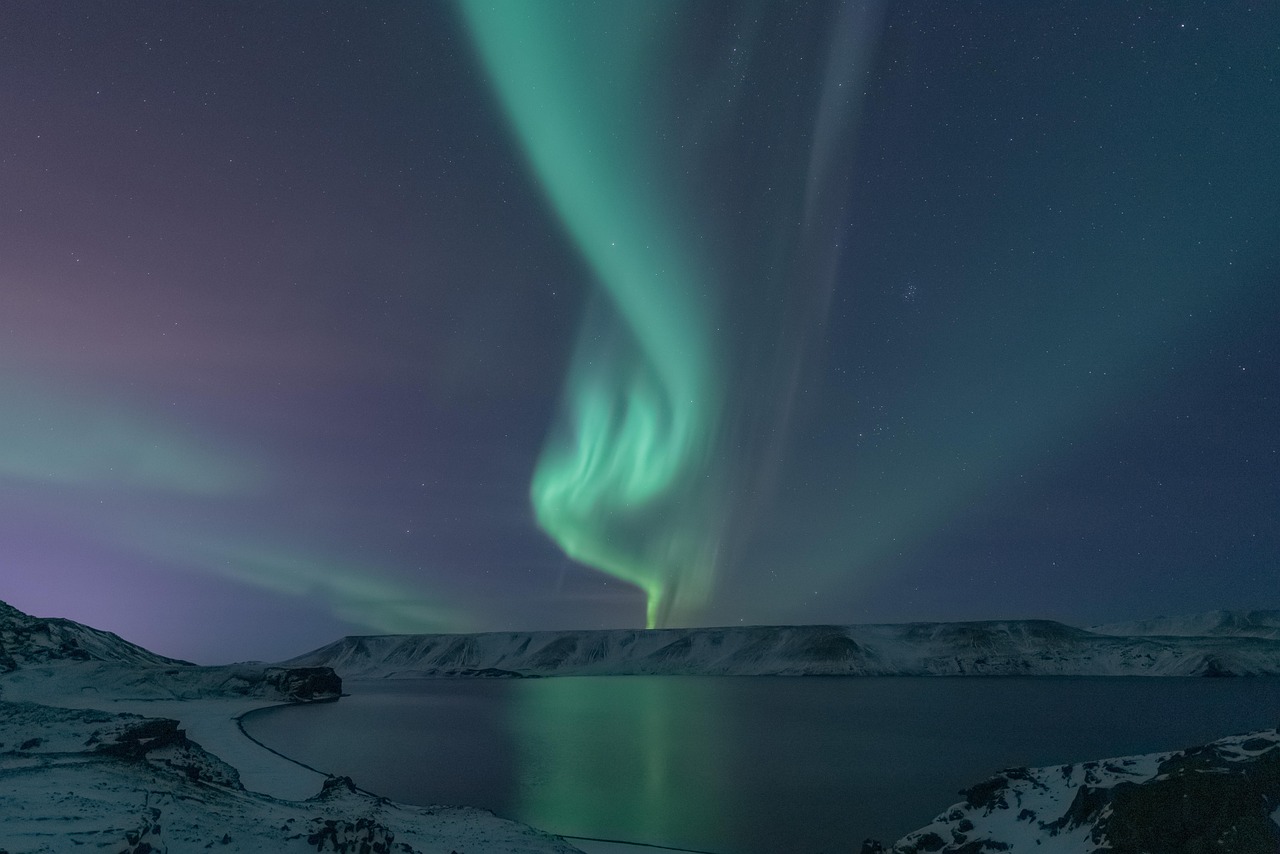
The northern lights are the most oversold and underexplained item on the Iceland itinerary — so here's the honest version, which happily makes them more likely, not less.
The physics in one breath. Solar particles hit the atmosphere and glow — green mostly, red and purple when strong — in an oval around the magnetic pole that Iceland sits under. Seeing them needs three things at once: activity (the KP index — Iceland's latitude means even KP 2-3 performs), darkness (September through mid-April; the city's glow kills the margins), and clear sky (the real variable — Iceland's weather is the aurora's gatekeeper). The forecast ritual: Vedur.is's aurora page shows KP plus the cloud-cover map (white gaps are your targets); apps (Aurora, My Aurora Forecast) push alerts; hotels run wake-up lists — ask at check-in.
Strategy one: the guided hunt. Tours chase the cloud gaps professionally (minibus = the value sweet spot; super jeep = terrain and intimacy; boat = sea horizons) with pro photography included and the free-rebooking covenant standard. Book for night one or two so retries have runway — the single most repeated regret is saving the hunt for the last night.
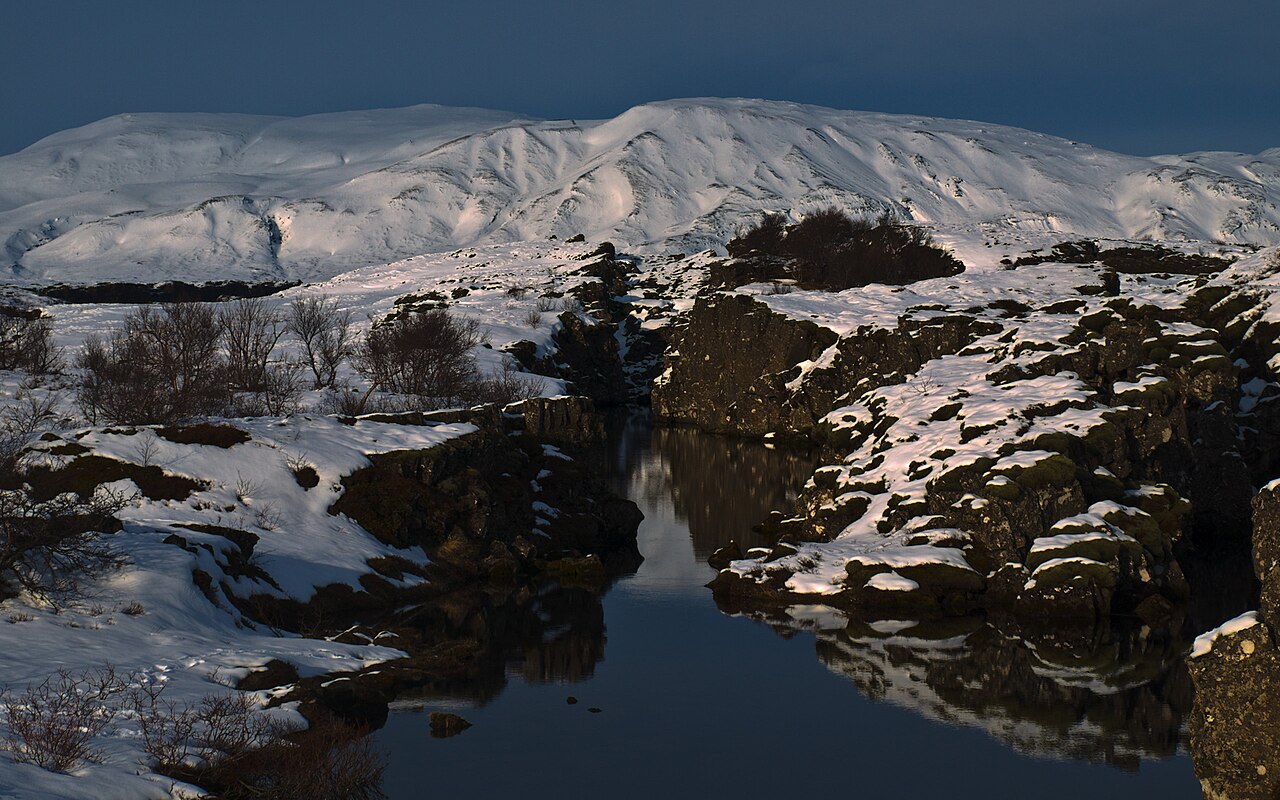
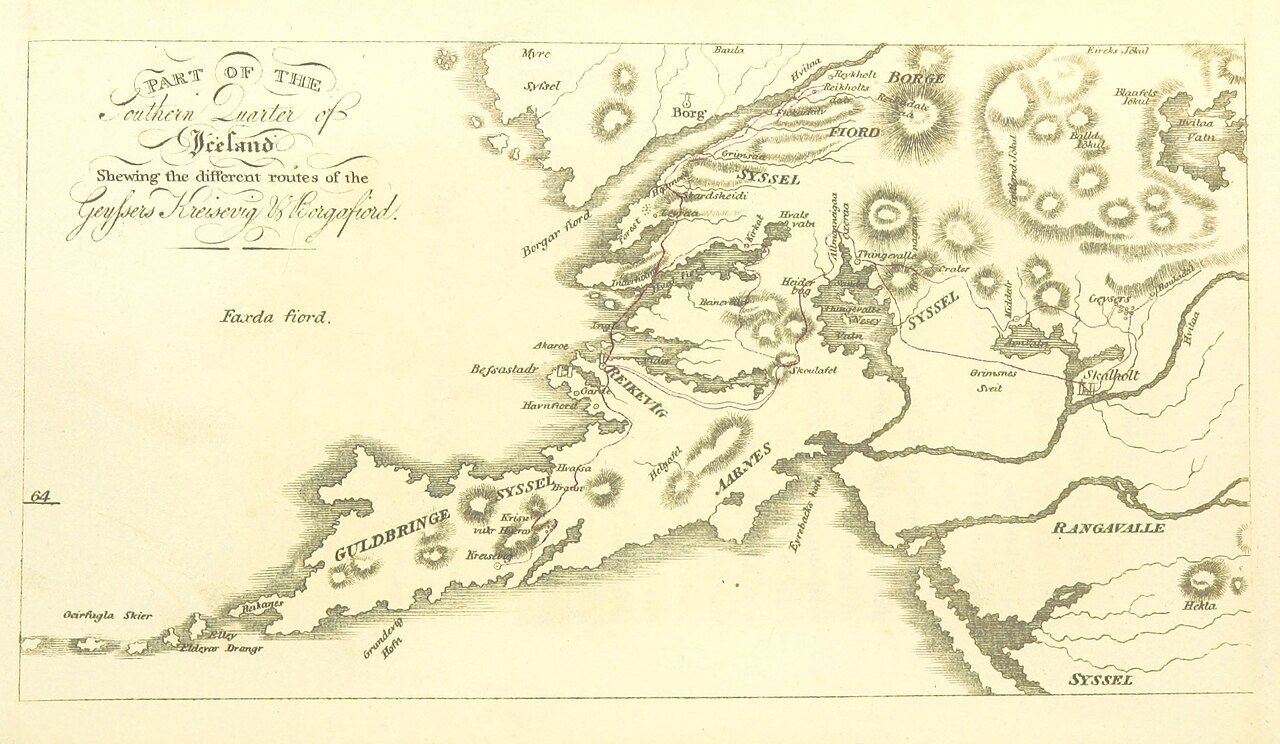
Strategy two: the self-hunt. A rental car, the cloud map, and 30-45 minutes' driving beat the city glow: Þingvellir's plains, the Grótta lighthouse (the in-city cheat, bus-reachable, decent on strong nights), the Reykjanes lava fields, or simply the first dark pullout under a forecast gap. Rules: full dark adaptation takes 15 minutes (phone screens reset it), patience beats driving in circles (displays pulse in waves — a quiet sky at 10pm fires at 11:30), and dress for standing still at midnight, which is colder than any activity you've planned.
Strategy three: stay put, soak smart. Clear-night evenings at Sky Lagoon or the Blue Lagoon occasionally deliver warm-water auroras; ION-style dark-sky hotels make the watching a bar amenity; and the apps' alerts let dinner proceed until summoned. Combined with one booked hunt, this covers most trips.
Photography truth. Faint shows photograph greener than they look (cameras out-see eyes); strong shows need no help. Phones: night mode, 3-10 second exposure, braced on anything solid. Cameras: tripod, wide lens, f/2.8-ish, ISO 1600-3200, 5-15 seconds, manual focus on a star. The included tour portraits (you, lit, under the curtain) are worth saying yes to — and the first strong display deserves two minutes of just watching before any lens rises.
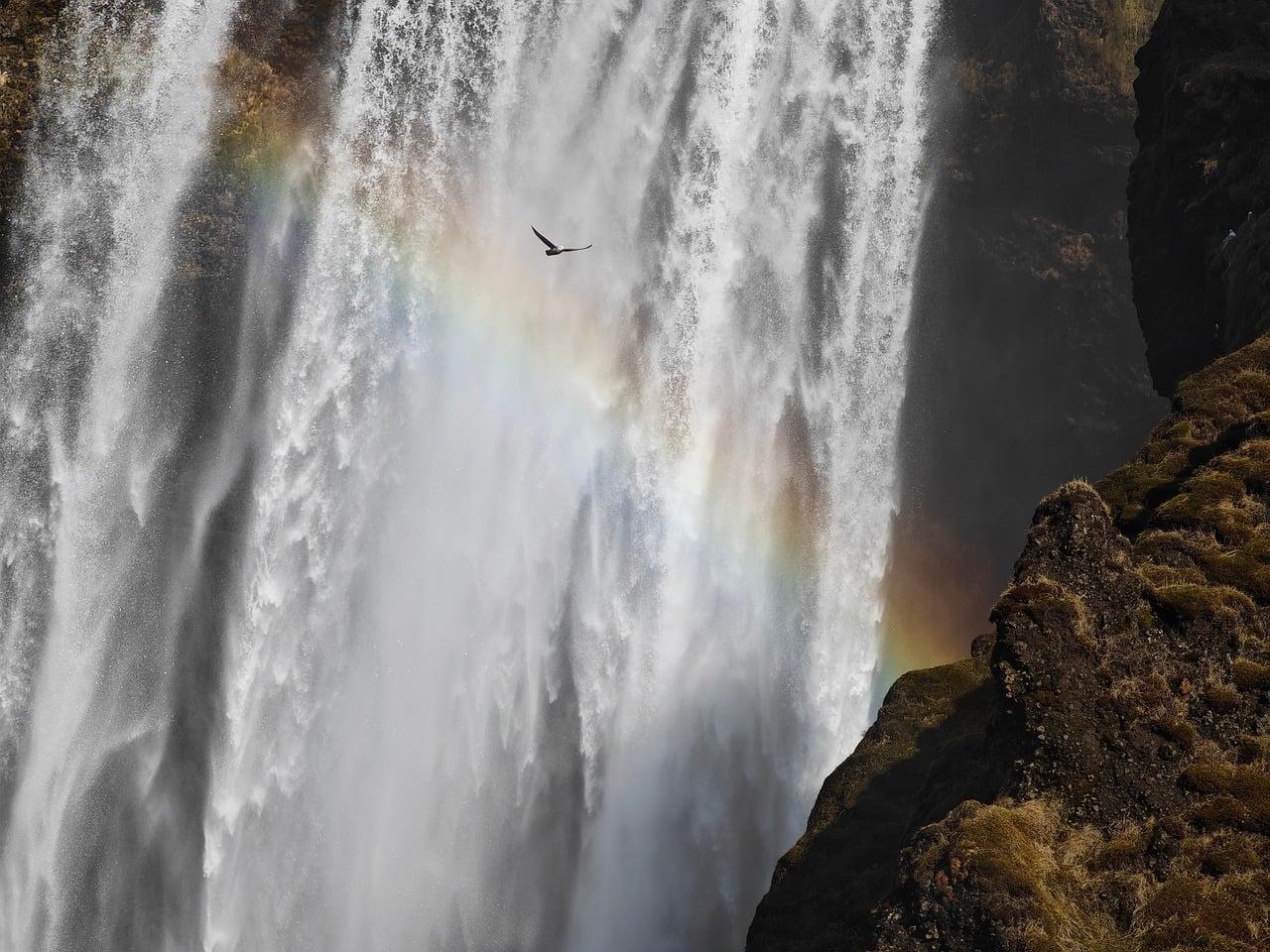
Expectation calibration. Displays range wisp-to-curtain; most sightings are the middle (clear green bands, slow movement — wonderful, not the poster); full-sky storms are the lottery. Odds over a 4-5 night winter trip with one hunt and nightly app-checking run genuinely good; guarantees don't exist and the operators selling them are selling rebooking policies. And the mandatory reframe: the aurora is the trip's lottery ticket, not its purpose — the waterfalls, lagoons, and lava run on schedule. Build the trip on what's certain; let the sky be the bonus it is.