Reykjavik runs a double act: the world's most walkable capital (an afternoon covers the core) serving as basecamp for a country of day trips. Plan it that way — city texture between excursions, excursions anchored early — and the smallest capital in the conversation outdelivers cities twenty times its size.
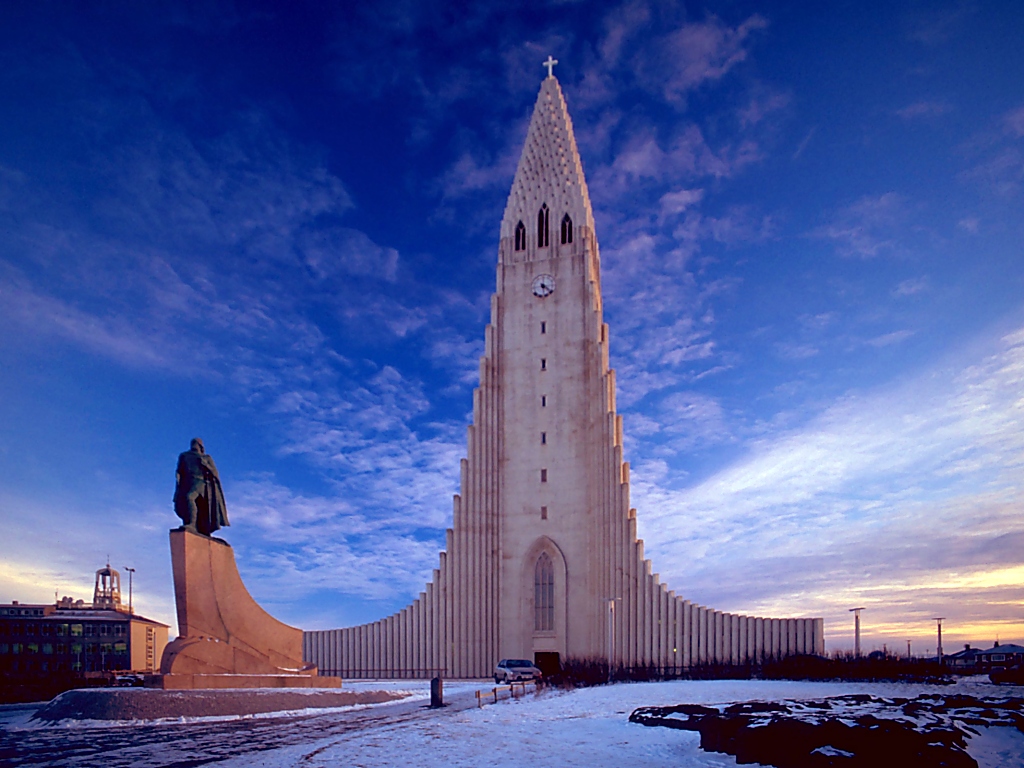
The city in one paragraph. The core is the 101 postcode: Laugavegur's shopping artery runs the spine, Skólavörðustígur's rainbow street climbs to Hallgrimskirkja's tower (orientation stop one), and the land slopes north to the Old Harbour — Harpa's glass honeycomb, the whale boats, the Grandi district's family attractions beyond. Everything walks; taxis exist but a visitor can skip them entirely except for Sky Lagoon (ten minutes out) and the airport runs (45 minutes, by coach or transfer).
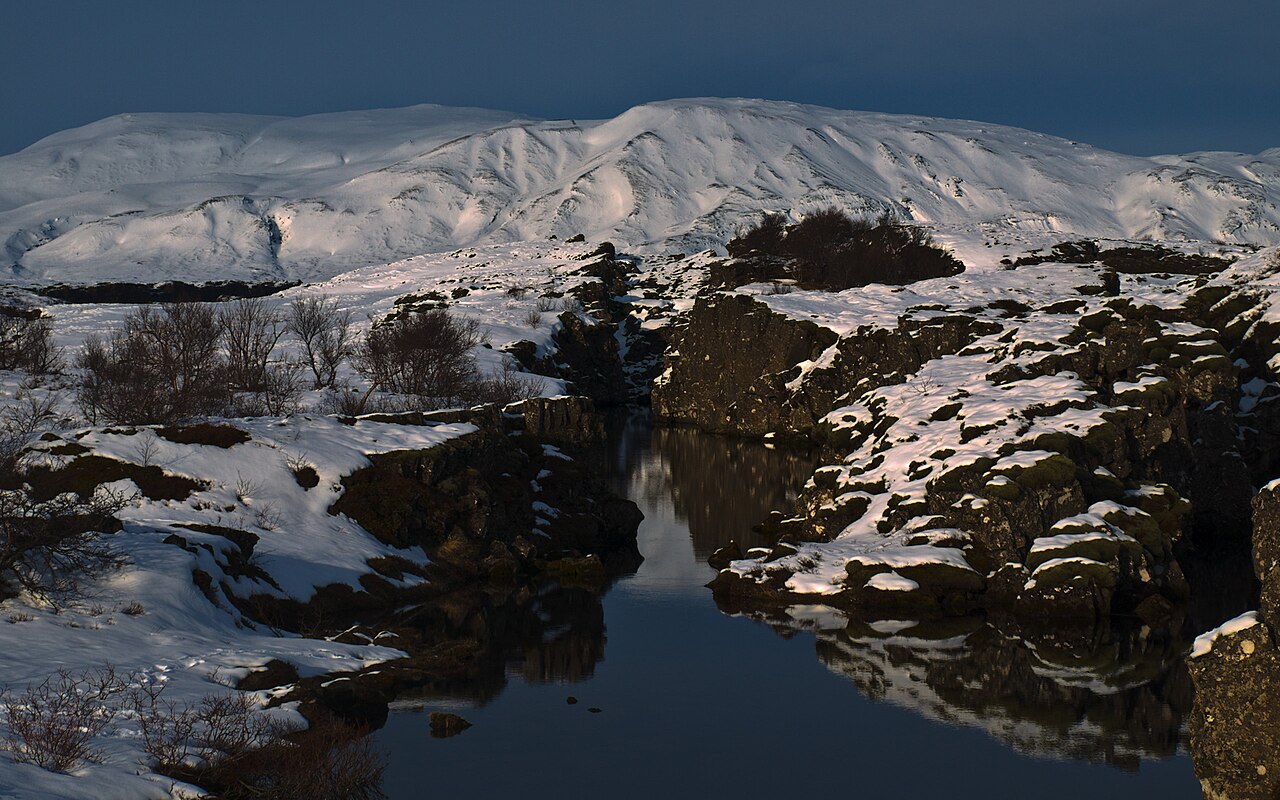
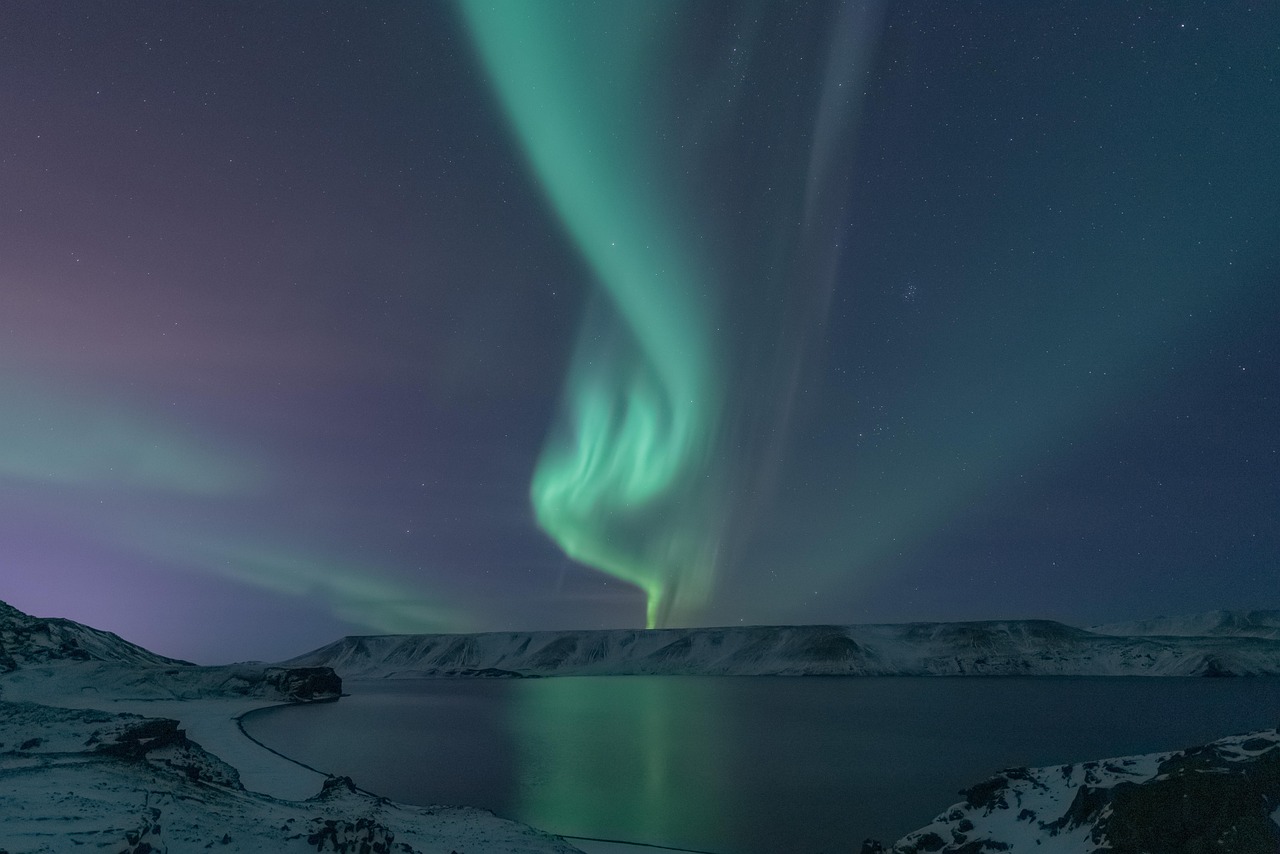
The day-trip engine. The capital's real geography is its ring of excursions: the Golden Circle (Thingvellir's rift, Strokkur's eruptions, Gullfoss — the classic first full day, self-driven or toured); the south coast's waterfalls-glacier-black-sand epic (the long second day); the lagoons (Blue by the airport, Sky by the city — see the lagoons guide); whale boats from downtown; and aurora hunts September-April. Rental cars buy freedom (and winter responsibility — road.is and vedur.is are daily reading); guided tours buy narration and absolution. Most first trips mix both.
Seasons invert the trip. Summer (June-August): midnight sun, 24-hour golden light, every road open, no aurora — the hiking-and-driving season. Winter (November-March): 4-6 hour days, aurora season at full dark, ice-armored waterfalls, weather that cancels plans as a feature — the cozy-dramatic season. The shoulders (May, September-October) split the difference and the crowds; September may be the connoisseur's month (aurora restarts, roads still kind, prices soften). There's no wrong season; there are wrong expectations.
Book-ahead list. The Blue Lagoon (with flights, essentially), Sky Lagoon weekends, aurora hunts for night one or two (rebooking runway), Silfra snorkeling, glacier walks, and any restaurant with a reputation (the city's top tables run small). Walk-up friendly: Hallgrimskirkja's tower, Harpa, the pools, most museums, and the hot-dog stand's eternal queue.
Cost honesty and the counterweights. Iceland prices gasp-grade at restaurants and bars; the counterweights are structural — the municipal geothermal pools (locals' daily ritual, entry for pocket change, the real Iceland), the bakery-and-grocery lunch economy, happy hours (the Appy Hour app is standard kit), free nature everywhere the bus ticket reaches, and tap water that embarrasses the bottled aisle. The food walk on day one pays for itself in avoided tourist-trap dinners.
Three days, summer version. Day 1: Hallgrimskirkja tower, food walk, Harpa and harbor stroll, evening whale sail under the midnight sun. Day 2: Golden Circle with Silfra or evening Sky Lagoon. Day 3: south coast epic, late return. Winter version: swap the midnight-sun sail for an aurora hunt (night one), compress the south coast to its guided format, add Perlan's ice cave for the storm day that will come, and soak more — the lagoons were built for the dark months. Either version: Blue Lagoon on the airport corridor, arrival or departure.